
Why Strong Legs Matter More Than You Think
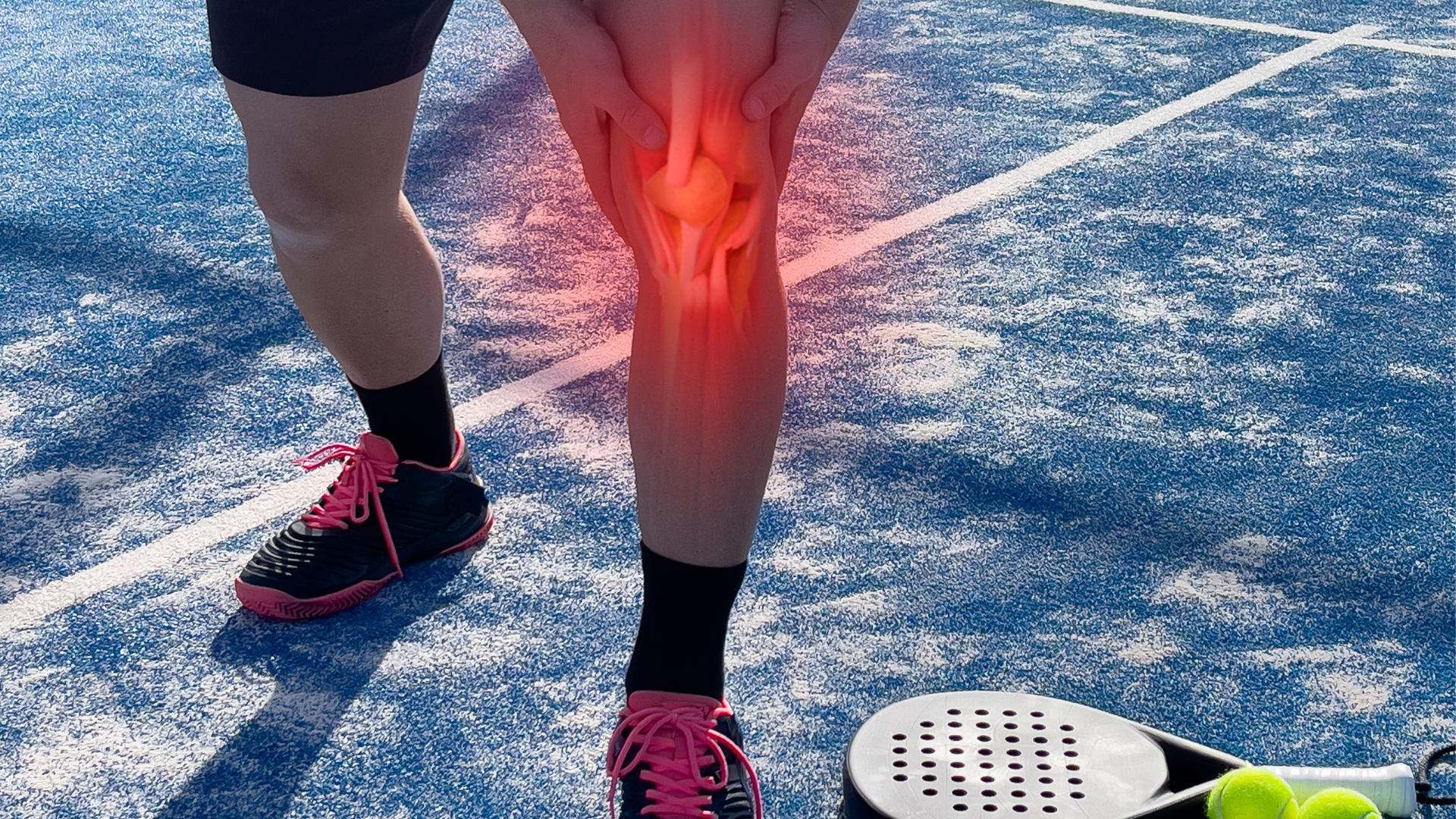
Knee pain is one of the most common joint issues today. It affects people who train, people who sit long hours, and people who stay active but lack strength in key muscles.
Many respond by resting more and moving less. This often slows progress. In many cases, knee pain links more to weak support muscles and poor movement control than damage alone.
Strength training plays a key role in reducing pain and improving long-term knee function.
What causes knee pain
Knee pain rarely comes from one factor. It usually develops from repeated stress, weak muscles, and movement patterns that overload the joint.
Weak thigh muscles
The quadriceps control knee movement and help absorb force during walking, running, and squatting.
When they are weak, the knee takes more direct load. This increases strain during daily movement like stairs or standing up.
Knee osteoarthritis
Knee osteoarthritis happens when cartilage in the joint wears down over time. This leads to stiffness, swelling, and pain during movement.
Muscle weakness often appears alongside this condition and increases joint stress during activity.
Poor movement mechanics
The knee depends on the hips, ankles, glutes, and core.
When these areas are weak or not coordinated well, movement patterns change. Common signs include:
- Knees collapsing inward during squats
- Poor balance during single-leg movement
- Uneven pressure across the joint
This increases long-term stress on the knee.
Low activity lifestyle
Long hours of sitting reduce muscle activation in the lower body.
Over time, this leads to:
- Weak glutes
- Weak quadriceps
- Tight hips
- Poor movement control
Less movement reduces strength. Reduced strength increases pain during daily tasks.
How strength training reduces knee pain
Strength training helps the muscles support the knee so the joint is not overloaded during movement.
Better load distribution
Stronger muscles absorb force before it reaches the joint.
When the quads, hamstrings, glutes, and calves improve in strength, daily movement becomes smoother and more stable.
Walking, stairs, and squatting feel more controlled and less painful.
Improved movement quality
Strength training improves how your body moves under load.
You develop:
- Better squat control
- More stable walking patterns
- Improved balance
- Better coordination during sports and daily activity
Long-term joint protection
Muscle mass naturally decreases with age. This reduces support around the knee joint.
Resistance training helps maintain muscle strength, which supports joint stability and reduces long-term breakdown.
Best strength training exercises for knee support
A good program focuses on building strength across the full lower body, not only the knee.
Common exercises include:
- Squats
- Step-ups
- Leg press
- Split squats
- Glute bridges
- Romanian deadlifts
- Hamstring curls
- Calf raises
Progression matters more than the exercise list. Load, form, and control must match your current ability.
Why training alone often leads to poor results
Many people try to fix knee pain using online workouts. This often leads to mixed results or worsening symptoms.
Common problems include:
- Wrong exercise selection
- Poor movement technique
- Training too hard too early
- Ignoring hip and ankle weakness
- Continuing exercise through pain
Knee pain often involves the full lower body system. Without assessment, the real cause often stays unaddressed.
Why choosing the right coach matters
A structured plan with proper guidance changes results.
A skilled personal trainer will:
- Assess movement before starting training
- Identify weak muscle groups and movement issues
- Design safe and progressive programs
- Adjust training based on pain response
- Improve technique during every session
- Build strength without increasing joint stress
At Fitness Factory Singapore, the coaching team brings more than 20 years of experience in strength training, corrective exercise, and performance coaching. This level of experience helps clients train safely, especially when dealing with knee pain or past injuries.
Choosing the right coach reduces guesswork and helps you progress with structure and control instead of trial and error.
Summary
Knee pain often improves when the muscles around the joint become stronger and more coordinated.
Strength training helps you:
- Reduce stress on the knee joint
- Improve movement control
- Increase daily comfort
- Build long-term joint stability
The key is structured training guided by experience, not random workouts.
References
https://pubmed.ncbi.nlm.nih.gov/26474770/
https://pubmed.ncbi.nlm.nih.gov/30273922/
https://pubmed.ncbi.nlm.nih.gov/17013851/
https://pubmed.ncbi.nlm.nih.gov/9230035/
https://pubmed.ncbi.nlm.nih.gov/30430202/
https://pubmed.ncbi.nlm.nih.gov/26328230/