
Many people think that at the age of 50, they should lessen their physical activity and just take it easy.
A common misconception amongst people would be that light activities are enough to sustain themselves and their longevity throughout their senior years – a way of self-preservation due to the misconception of strength training bringing about injury to them.
In actuality, strength and resistance training brings about more good than harm instead. The injuries are a result of training in an unsafe manner without proper guidance or knowledge of the execution of the exercises.
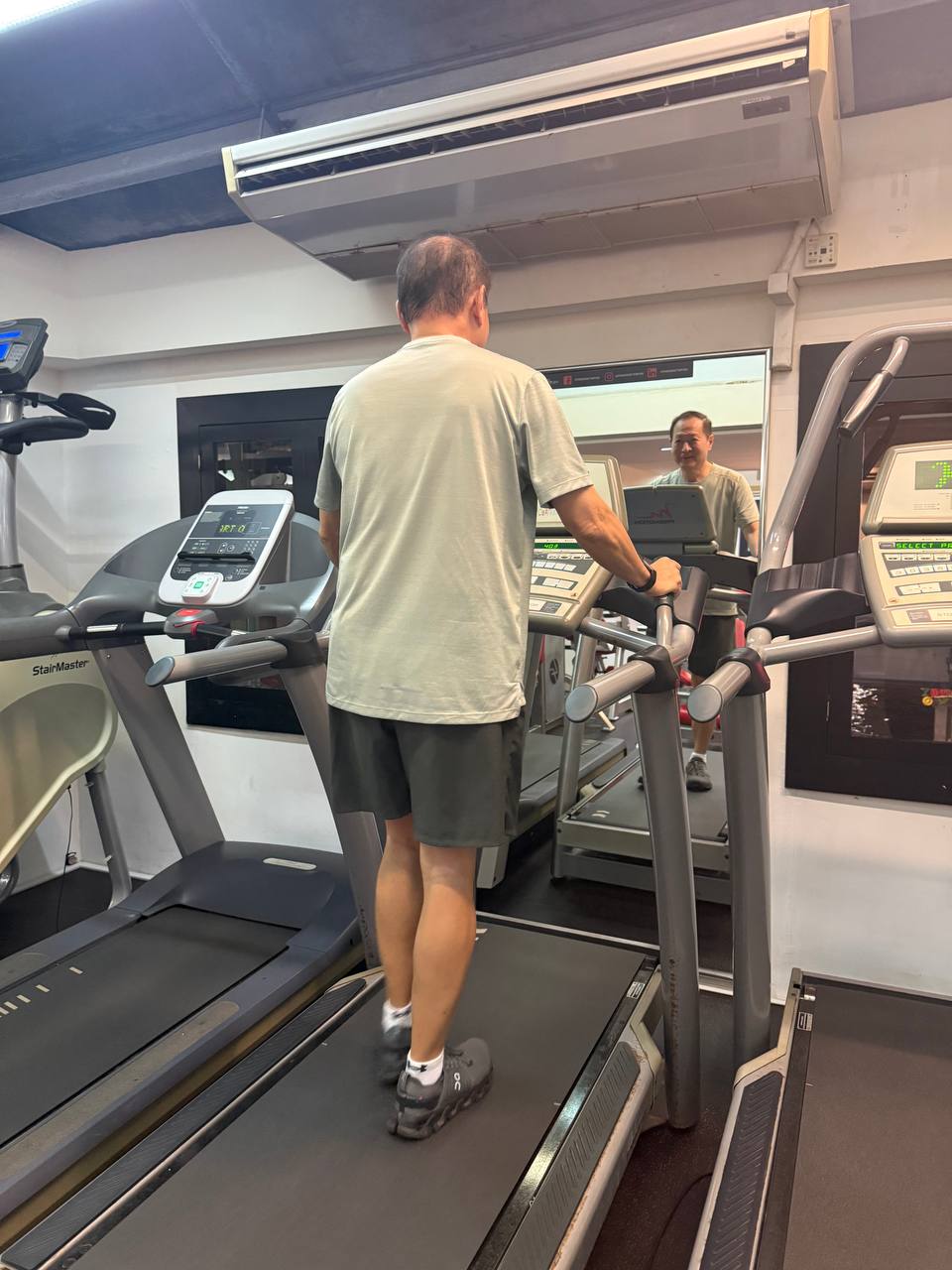
“I should take it slow and just go for walks; lifting weights isn’t for me, I’m not young anymore anyway.”
They can never be further from the truth.
While walking does help with one’s cardiovascular health, it isn’t quite enough to offset the loss of muscle and strength; a condition called Sarcopenia that individuals aged 50 and above will face.
What Is Sarcopenia?
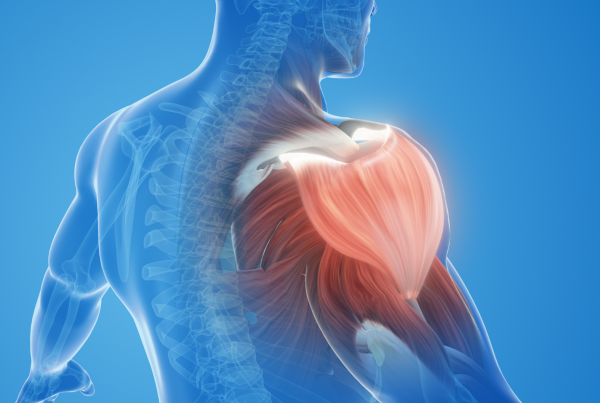
Sarcopenia is the progressive loss of muscle mass and functional strength as people age. This condition tends to affect those who lead sedentary lifestyles more. Individuals facing illnesses such as cancer, diabetes or heart disease are also prone to losing muscle as well.
With the potential risk of muscle loss, individuals may also face an increased risk of osteoporosis, a condition in which bones become fragile and more susceptible to fractures.
So adopting taking walks as your standalone exercise may not provide enough resistance to adequately maintain the strength in areas such as your hips and spine.
What Should I Do?
So this brings us to the question, “What should a 50-year-old do on top of cardio?”
On top of their everyday movement, seniors should look towards strength training as well as muscle building and maintenance for them to age healthier and preserve their longevity.
After the age of 30, we begin to lose muscle mass – at the rate of 3% to 5% per decade. According to Harvard, most men will lose about 30% of their muscle mass in their lifetime.
This may render daily activities ranging from carrying groceries to even something as fundamental as getting off a chair challenging for some individuals. On top of that, weaker muscles can also allow for a higher risk of injuries such as fractures and joint problems. Poor balance may also be an effect of muscle loss as well.
This also shows that strength and resistance training is important even at that age, whereby you need it to maintain your mobility in your daily life – so that the aches and pains wouldn’t come about when you’re trying to get off a chair, play with your grandchildren or even carry your groceries.
Seniors should aim to do strength and resistance training at least twice a week to offset the effects of muscle and bone loss such as sacropenia and osteoporosis respectively. Walking and other forms of cardiovascular exercises can still be done to complement strength and resistance training for a well-rounded approach to longevity and healthy aging.
At the age of 50, your daily walks aren’t enough, your approach to health should be all-encompassing, from your cardiovascular health to your strength and muscle maintenance.
References
https://www.health.harvard.edu/healthy-aging-and-longevity/preserve-your-muscle-mass
https://www.omanobserver.om/article/1183598/opinion/why-walking-exercise-is-not-enough-after-50