
Frozen shoulder limits daily movement. Simple actions like reaching overhead, fastening a bra, or reaching into a back pocket become painful and restricted.
The condition develops slowly. Many people notice stiffness first, then pain, then a clear loss of range of motion.
Recovery depends on consistent movement, smart loading, and structured progression.
What is frozen shoulder?
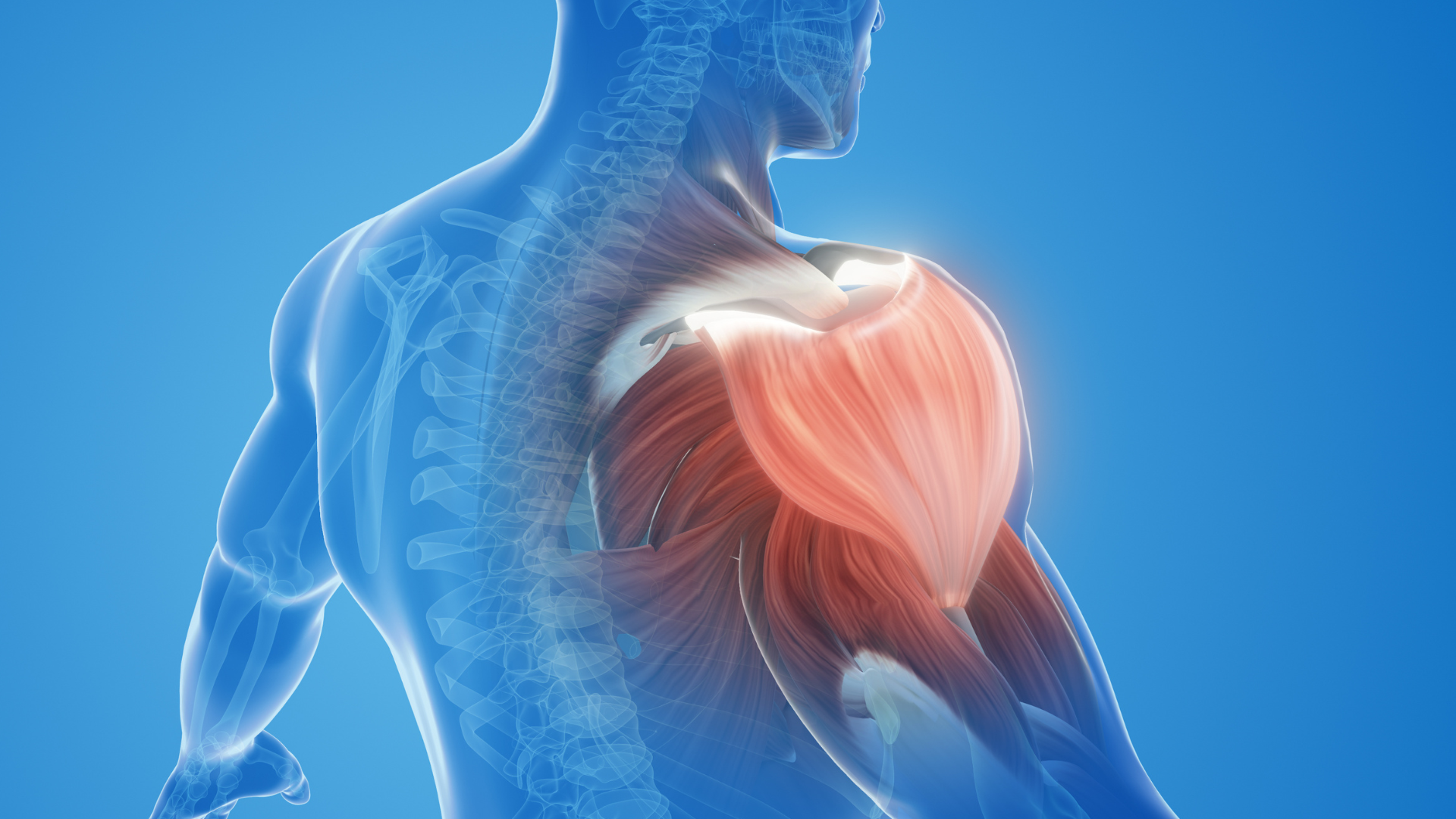
Frozen shoulder, also called adhesive capsulitis, happens when the shoulder joint capsule thickens and tightens.
This reduces joint space and limits motion in multiple directions.
Common signs:
- Stiff shoulder that worsens over time
- Pain during movement and rest
- Difficulty lifting the arm
- Limited rotation and reaching
Causes of frozen shoulder
Frozen shoulder often develops without a clear injury. Several risk factors increase likelihood.
Previous injury or lack of movement
Shoulder injury followed by rest increases risk.
When movement drops:
- Joint capsule tightens
- Soft tissue becomes less flexible
- Range of motion reduces
Even short periods of immobilisation raise risk.
Diabetes and metabolic health
Diabetes links strongly with frozen shoulder.
Higher blood sugar affects connective tissue quality and increases inflammation around the joint.
Age and tissue changes
Most cases appear between 40 and 60 years old.
Tissue elasticity reduces with age, which affects shoulder mobility.
Poor posture and muscle imbalance
Long-term posture issues contribute to shoulder stiffness.
Common patterns:
- Rounded shoulders
- Weak upper back muscles
- Tight chest muscles
- Poor scapular control
Capsule inflammation and thickening
The joint capsule becomes inflamed and thick. This reduces normal shoulder glide and rotation.
Frozen shoulder progresses in three stages:
- Freezing phase
Pain increases. Movement starts to reduce.
- Frozen phase
Pain may reduce. Stiffness becomes severe.
- Thawing phase
Movement gradually returns.
How strength training supports recovery
Training does not force instant recovery. It guides safe movement and gradual restoration.
Controlled movement improves joint health
Gentle, consistent movement helps maintain tissue quality and reduces further stiffness.
Strength restores shoulder control
The shoulder relies on surrounding muscles for stability.
Key muscles include:
- Rotator cuff
- Rear deltoids
- Upper back muscles
- Scapular stabilisers
Stronger muscles improve control and reduce compensation.
Movement retraining improves function
Training helps restore everyday actions:
- Reaching overhead
- Lifting objects
- Dressing and grooming tasks
Safe training approach for frozen shoulder
Progress depends on the stage of the condition.
Start with pain-controlled range
Move within a range that does not increase symptoms significantly.
Focus on mobility first
Early movements include:
- Pendulum swings
- Wall slides
- Assisted arm lifts
- Gentle range drills
Add light strength work later on
When mobility improves:
- Band rows
- External rotation drills
- Scapular control work
- Isometric holds
Avoid forcing range
Aggressive stretching increases irritation and slows recovery.
Progress gradually
Small improvements in movement and strength matter more than fast progress.
How Fitness Factory Singapore helps
At Fitness Factory Singapore, recovery programs for frozen shoulder follow structured progression based on assessment, not guesswork.
The coaching team brings more than 20 years of experience in strength training, corrective exercise, and rehabilitation-focused programming.
Support includes:
- Movement screening to identify restriction patterns
- Stage-based training based on pain and mobility level
- Controlled mobility work to restore range safely
- Strength training for rotator cuff and upper back stability
- Progress tracking to prevent setbacks
- Long-term conditioning to reduce recurrence risk
The focus is steady recovery through structured training instead of random exercise selection.
Summary
Frozen shoulder affects both movement and daily life, but responds well to structured rehabilitation.
Key points:
- Caused by capsule tightening, inflammation, and reduced movement
- Common in middle age and metabolic conditions like diabetes
- Requires gradual mobility and strength progression
- Improves with consistent, guided training
References
https://pubmed.ncbi.nlm.nih.gov/18264534/
https://pubmed.ncbi.nlm.nih.gov/20374853/
https://pubmed.ncbi.nlm.nih.gov/31867170/
https://pubmed.ncbi.nlm.nih.gov/22054975/
https://pubmed.ncbi.nlm.nih.gov/24978180/
https://pubmed.ncbi.nlm.nih.gov/29431305/