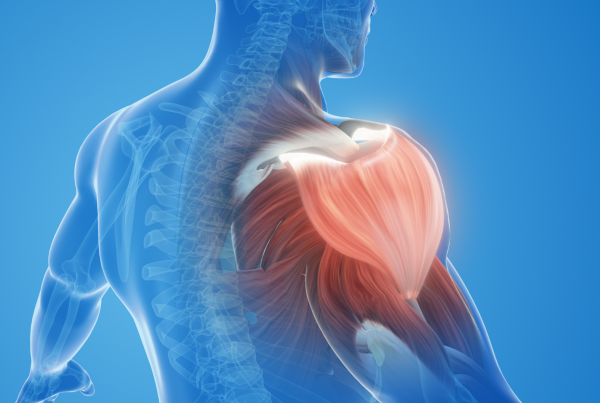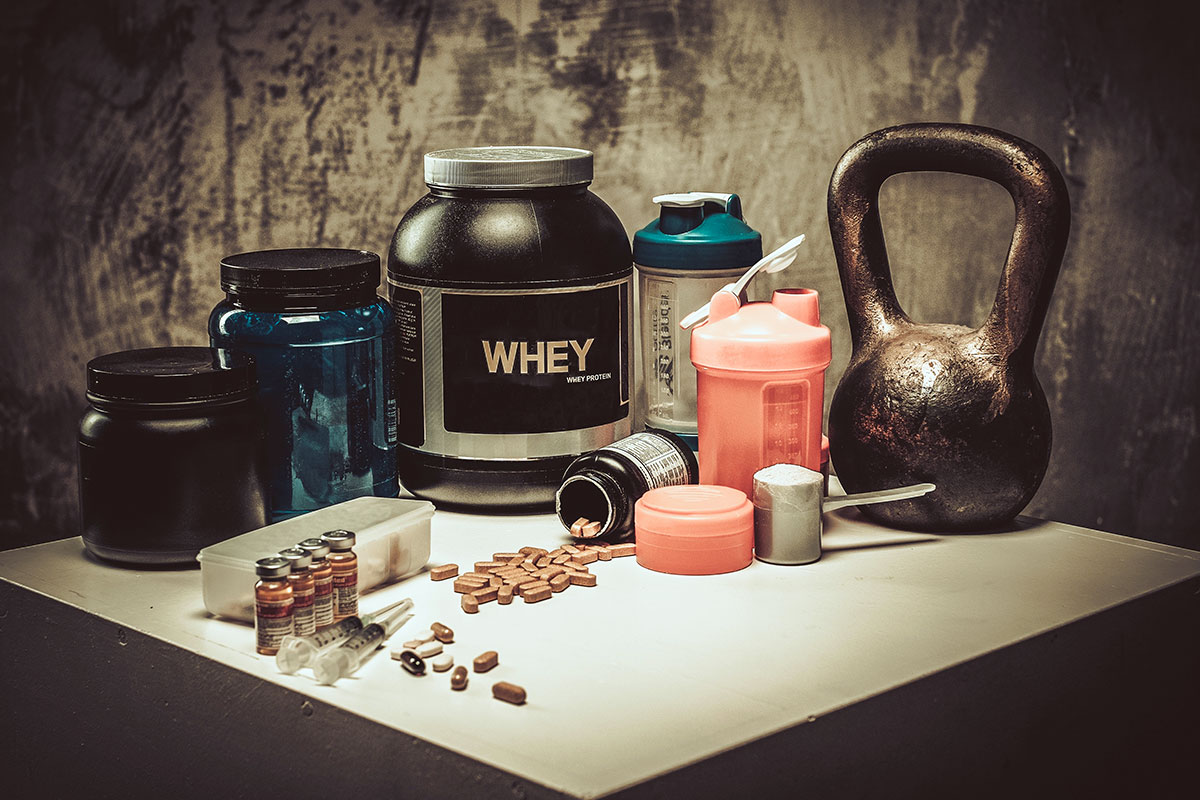

Strength training makes your muscles adapt. When you lift weights regularly your body responds by increasing muscle size, strength and performance. Training itself is the main driver of progress. Supplements are tools that may help support your goals, but they are not required for everyone.
Training and Nutrition First
- Resistance training increases muscle protein synthesis, the process that builds muscle. Eating enough protein and calories supports this process.
- Many studies show strength gains with training regardless of supplement use when nutrition is adequate. One trial found older adults increased strength and lean mass after training, with no extra benefit from creatine or protein added to their diet.
Supplements with Evidence of Benefit
Some supplements have stronger research support when used with strength training.
Protein Supplements
- Protein is the building block of muscle. Whey and other protein supplements help you reach daily protein goals if your diet falls short.
- A systematic review reports that protein supplementation may increase essential amino acid levels and aid recovery measures that relate to muscle performance.
- Although evidence is mixed in some groups, protein supplements paired with strength training often support muscle strength and body composition changes.
Creatine
- Creatine is one of the most studied performance supplements. It increases phosphocreatine stores in muscles, helping with short bursts of high-intensity effort.
- Meta-analyses show creatine combined with resistance training improves strength more than training alone.
- Some newer reports question its effect on muscle growth when dietary and training conditions are very specific, but overall evidence still supports improved performance and strength.
Other Supplements
- Some substances like beta-alanine, caffeine or vitamin D show positive results for specific performance aspects in some trials, but their overall effect on strength gains is smaller or less consistent.
- Branched-chain amino acids and many other marketed ingredients have unclear or weak evidence.
Who Might Benefit Most
You might consider supplements if:
- Your food intake does not meet protein needs.
- You have high training intensity and need performance support.
- Your goals are competitive, or you struggle to recover between sessions.
Supplements are not essential for beginners or people who already eat adequate protein and calories.
Safety and Practical Tips
- Supplements are not tightly regulated. Quality varies. Third‑party testing helps ensure purity.
- Follow recommended doses. Excess protein, stimulants or combined products may cause digestive or other side effects.
- Supplements are tools, not replacements. Focus on training plan, sleep, hydration and whole foods first.
References (PubMed links)