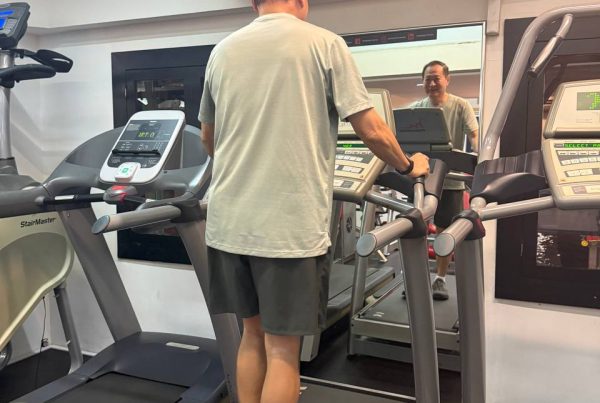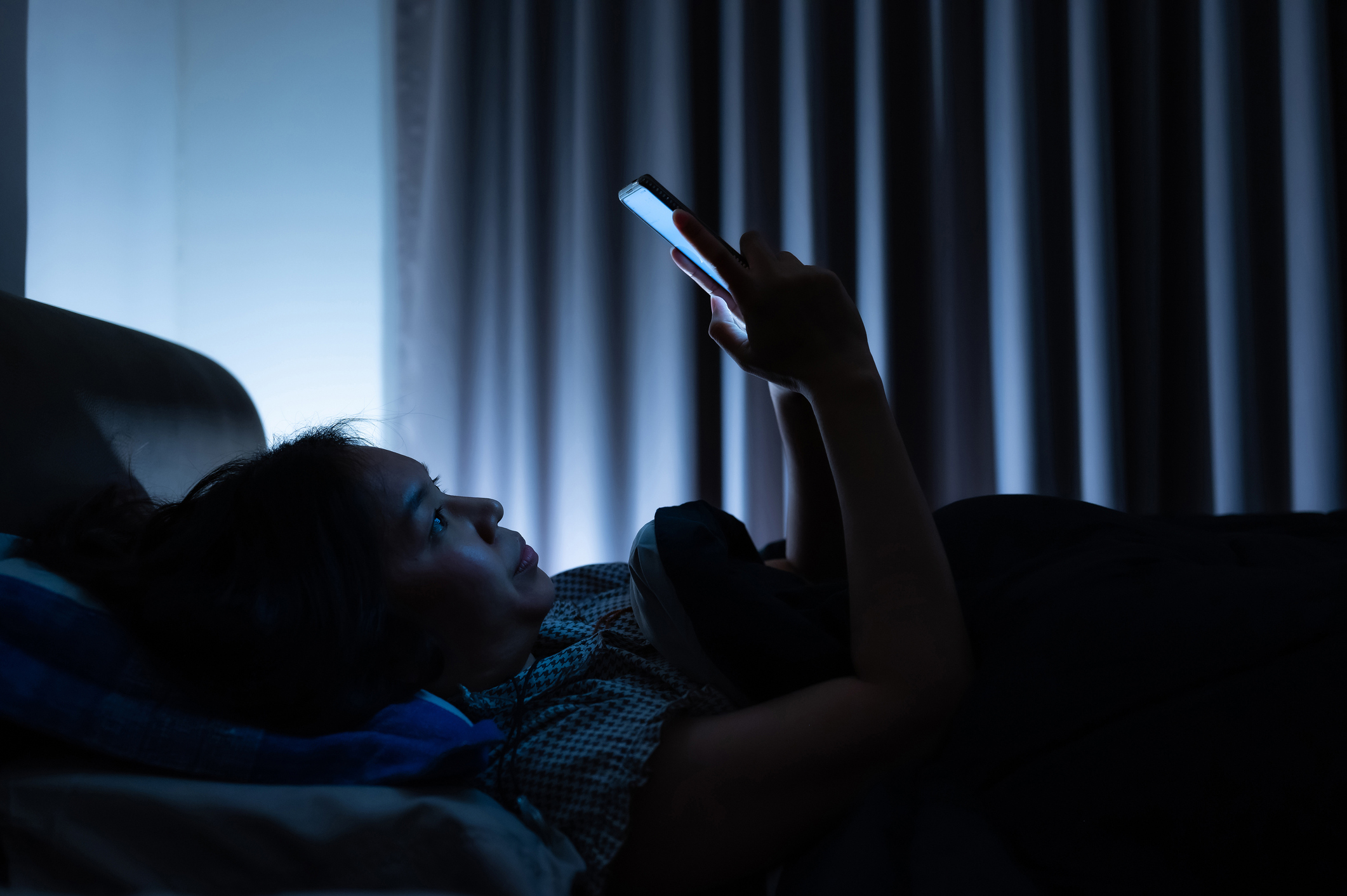

In today’s digital world, screens dominate much of our daily life. From phones and laptops to TVs, yet too much screen time has been linked to poor sleep, lower physical activity, and mental fatigue. Research shows that high screen exposure is associated with disrupted sleep patterns, increased stress, and reduced overall wellbeing, especially when it replaces movement and exercise. Strength training, often seen only as a way to build muscle. However, it offers a practical solution by encouraging active, screen-free time while also improving mood, reducing stress, and boosting mental health. Studies indicate that regular resistance training can help lower anxiety and fatigue while promoting healthier daily routines, making it a useful and accessible tool for rebalancing screen use and supporting a more active lifestyle.
Singapore Screen Time: Stats & Trends
In Singapore, screen use has become a major part of daily life across all age groups. Studies show that adults spend about 3.7 hours online each day outside of work, highlighting how screens dominate leisure time. The situation is even more pronounced among youths, with teenagers aged 13 to 19 averaging around 8.5 hours of screen time daily, combining both school-related and recreational use. This constant digital exposure is taking a toll of over 80% of Singaporeans report feeling fatigued from prolonged screen use. Many admit to checking their phones immediately after waking up. These trends underline the growing need for healthier, more active alternatives to excessive screen time.
How Strength Training Creates Structured, Screen-Free Time
Scheduling regular strength training sessions helps create clear, structured periods in the day that are naturally free from screens. Instead of filling spare time with scrolling social media or watching videos, workouts give people a purposeful activity that demands focus and physical engagement. Research has shown that planned exercise can reduce sedentary behaviour by replacing passive screen-based activities with movement, leading to healthier daily time use patterns. When strength training becomes part of a routine such as set training days or fixed workout times, it encourages more intentional planning of the day, making screen use more deliberate rather than automatic. Over time, these consistent screen-free blocks help reduce overall passive screen time while promoting discipline, productivity, and better lifestyle balance.
Mental Benefits — Reducing the Urge to Scroll
Strength training supports mental health in ways that can directly reduce the urge to mindlessly scroll. Research shows that regular resistance exercise is associated with reduced stress, lower symptoms of anxiety and depression, and improved mood, partly due to the release of endorphins and other neurochemicals that enhance emotional regulation. When stress and low mood are better managed, people are less likely to rely on screens as a coping mechanism for boredom or emotional discomfort. Over time, improved mental resilience and self-control gained through strength training can make it easier to resist compulsive screen checking and choose more intentional, healthy behaviours instead.
Conclusion
Wrap up by reinforcing that while screens are an unavoidable part of modern life, it’s important to manage how much time we devote to them — especially given evidence showing high daily screen usage in Singapore, particularly among teens and working adults. Introducing strength training routines offers a healthier, more fulfilling alternative to excessive screen time. Not only does it improve physical health, but it also enhances mental resilience and creates positive habits that naturally curb the urge to over-consume digital content. Encourage readers to start with small training goals, track their progress, and enjoy the dual benefits of a stronger body and a more mindful relationship with screens.
References
- Nakshine, V. S., Thute, P., Khatib, M. N., & Sarkar, B. (2022). Increased screen time as a cause of declining physical, psychological health, and sleep patterns: a literary review. Cureus, 14(10), e30051. https://doi.org/10.7759/cureus.30051 PMID: 36381869 PMCID: PMC9638701
- Bernard, J. Y., Padmapriya, N., Chen, B., Cai, S., Tan, K. H., Yap, F., Shek, L., Chong, Y., Gluckman, P. D., Godfrey, K. M., Kramer, M. S., Saw, S. M., & Müller-Riemenschneider, F. (2017). Predictors of screen viewing time in young Singaporean children: the GUSTO cohort. International Journal of Behavioral Nutrition and Physical Activity, 14(1), 112. https://doi.org/10.1186/s12966-017-0562-3
PMCID: PMC5584344 PMID: 28870219
- Zabatiero, J., Ng, L., Clayton, R., Middlemiss, S., Kang, K., Harrold, M., & Cavalheri, V. (2018). Effectiveness of interventions aiming at reducing sedentary behaviour in a non-surgical population with overweight or obesity: A systematic review and meta-analysis. Obesity Research & Clinical Practice, 13(2), 115–128. https://doi.org/10.1016/j.orcp.2018.10.004 PMID: 30446257
- Gordon, B. R., McDowell, C. P., Lyons, M., & Herring, M. P. (2017). The Effects of resistance exercise training on Anxiety: A Meta-Analysis and Meta-Regression Analysis of randomized controlled trials. Sports Medicine, 47(12), 2521–2532. https://doi.org/10.1007/s40279-017-0769-0 PMID: 28819746