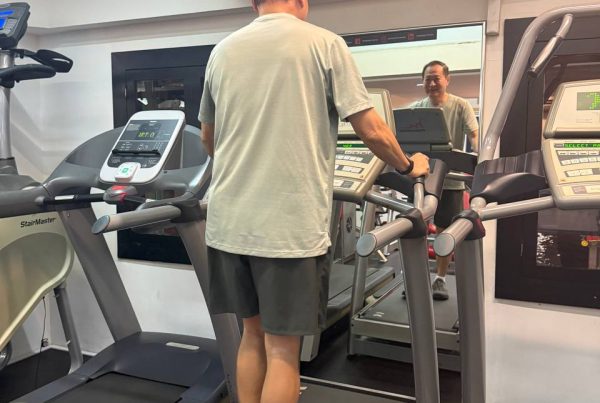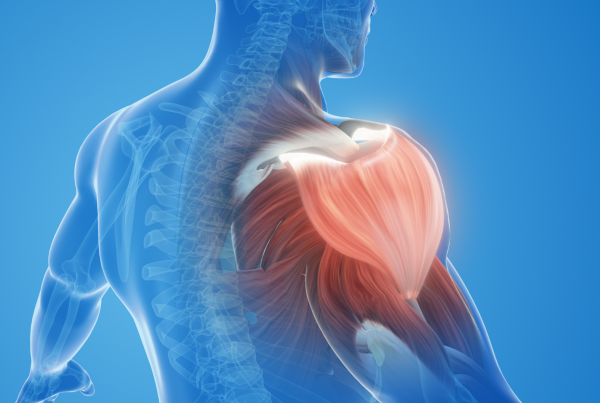

Recovery plays a major role in performance, muscle growth, and injury prevention. Many people focus on training intensity but overlook how recovery influences progress. Understanding the difference between active and passive recovery helps you choose the right strategy based on your goals and fatigue level.
What Is Active Recovery?
Active recovery involves low-intensity movement performed after or between training sessions. The goal is to promote circulation without adding significant physical stress.
Examples include:
• Light walking
• Easy cycling
• Mobility exercises
• Stretching routines
• Low-intensity swimming
Research shows low-intensity exercise increases blood flow, which helps remove metabolic by-products and supports faster recovery after intense exercise.
Active recovery maintains movement while allowing the body to repair.
What Is Passive Recovery?
Passive recovery involves complete rest with minimal physical activity. The body recovers through physiological repair processes without added movement stress.
Examples include:
• Sleeping
• Rest days without training
• Massage or relaxation therapies
• Sitting or lying down recovery
Passive recovery allows muscle tissue repair, nervous system recovery, and energy restoration, especially after high training loads.
Adequate rest and sleep play a critical role in muscle recovery, hormonal regulation, and performance adaptation.
Key Differences
Active Recovery
• Involves light movement
• Improves circulation
• Reduces muscle stiffness
• Suitable between intense sessions
Passive Recovery
• Involves full rest
• Supports deep physiological repair
• Restores nervous system fatigue
• Needed after heavy or prolonged training
Both methods serve different recovery needs.
When to Use Active Recovery
Active recovery works best when fatigue is moderate rather than severe.
Use active recovery when:
• Muscles feel sore but movement is comfortable
• You trained intensely the previous day
• You want to maintain mobility and circulation
• Training frequency is high
Studies show active recovery improves lactate clearance more effectively than complete rest after intense exercise.
When to Use Passive Recovery
Passive recovery becomes important when overall fatigue accumulates.
Choose passive recovery when:
• You feel exhausted or sleep deprived
• Performance declines significantly
• Joint discomfort increases
• After competition or heavy training blocks
Insufficient rest increases injury risk and slows adaptation.
How to Balance Both
Effective recovery combines both strategies across a training week.
A simple approach:
• High-intensity training day → active recovery next day
• Multiple hard sessions → scheduled full rest day
• Poor sleep or high stress → prioritize passive recovery
Recovery should match training load, lifestyle stress, and fitness level.
The Takeaway
Active recovery keeps the body moving and supports circulation. Passive recovery allows deeper repair and nervous system restoration. Neither approach is better. Each serves a specific purpose.
Smart training includes planned recovery. Progress happens during recovery, not during the workout itself.
References (PubMed)
- Active recovery effects on blood lactate removal and performance
https://pubmed.ncbi.nlm.nih.gov/19997010/ - Sleep and athletic performance and recovery
https://pubmed.ncbi.nlm.nih.gov/27449315/ - Comparison of active versus passive recovery following exercise
https://pubmed.ncbi.nlm.nih.gov/19050688/