
Obesity is a growing global health concern, significantly raising the risk of chronic diseases such as type 2 diabetes, cardiovascular conditions, and hypertension. By 2030, it’s projected that over 1 billion adults—approximately one in six people worldwide—will be affected by obesity. According to the World Obesity Federation, childhood and adolescent obesity are also expected to surge, with an estimated 50 million new cases by 2030. In Singapore, the prevalence of obesity stood at 10.5% in 2020, and along with an ageing population, it remains a key driver of rising morbidity and mortality rates.
The Role of Diet in Weight Management
At the heart of sustainable weight management lies energy balance: consuming more calories than your body requires leads to weight gain, while a caloric deficit—burning more than you consume—leads to weight loss. Though many diet trends promise quick results, the foundation remains the same: consistent calorie control paired with nutrient balance.
Let’s explore some of the most discussed diet strategies and evaluate their effectiveness for sustainable weight management.
1. Low-Fat Diet
A low-fat diet limits fat intake, typically to less than 10% of total daily calories. Since fat is the most calorie-dense macronutrient (9 kcal/g), reducing fat can help lower overall calorie intake. However, this approach may affect satiety and nutrient absorption if not properly balanced.
2. Low-Carbohydrate Diet
Low-carb diets restrict carbohydrates to 50–130g per day, or about 10–45% of total daily energy. Protein and fat intake are often increased to preserve lean body mass. These diets may be effective for short-term weight loss and improving blood sugar levels, but long-term adherence can be challenging for some individuals.
3. Ketogenic Diet
The ketogenic (keto) diet is a very low-carb, high-fat approach that induces ketosis, a metabolic state where the body uses fat instead of glucose for fuel. Typical macronutrient ratios include 5–10% carbs, 20–25% protein, and 70–75% fats. Keto may suppress appetite and support fat loss, but restrictive food choices can lead to nutrient deficiencies and reduced long-term sustainability.
4. Mediterranean Diet
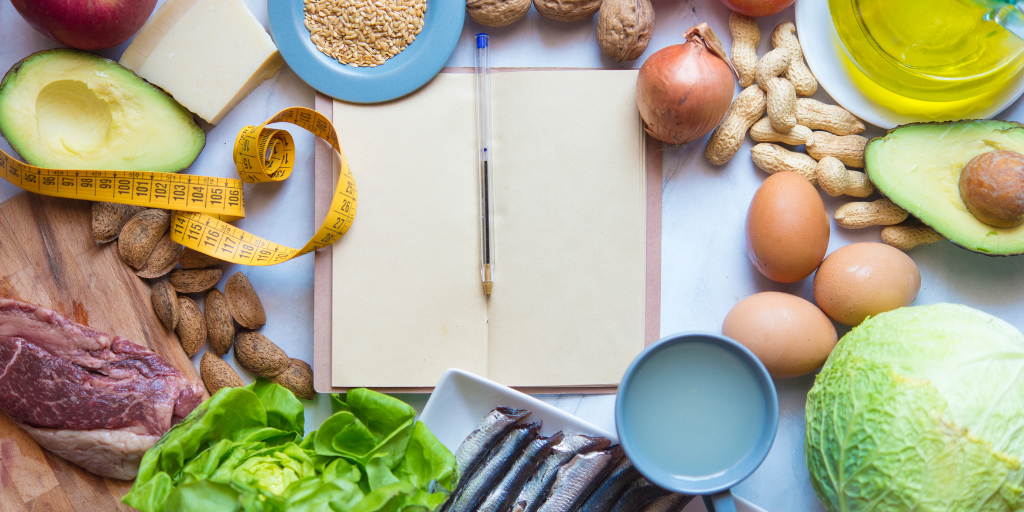
Backed by extensive research, the Mediterranean diet emphasizes whole, unprocessed foods: fruits, vegetables, whole grains, legumes, nuts, lean proteins, and healthy fats like olive oil. It limits red meat and processed foods. This approach not only supports weight loss but is also associated with a lower risk of heart disease and metabolic syndrome.
5. High-Protein Diet
A high-protein diet includes 30% of daily calories from protein, or around 1.0–1.2g per kg of bodyweight. Protein enhances satiety, helps preserve lean mass during weight loss, and increases energy expenditure due to the thermic effect of food. This makes it an effective strategy for appetite control and metabolic health.
6. Intermittent Fasting (IF)
Intermittent fasting is a time-based eating pattern, with common protocols such as:
- 16:8 method (fast for 16 hours, eat within an 8-hour window)
- 5:2 method (normal eating for 5 days, reduced intake on 2 days)
- Alternate-day fasting
Rather than counting calories, IF focuses on when you eat. It can improve insulin sensitivity, support metabolic health, and reduce overall intake. However, long-term adherence and individual tolerance vary, and its long-term health effects are still being studied.
7. Paleo Diet
Inspired by early human diets, the paleo approach emphasizes lean meats, fish, fruits, vegetables, nuts, and seeds—while excluding grains, dairy, legumes, processed foods, and added sugars. While it encourages nutrient-rich whole foods, it may restrict beneficial food groups unnecessarily for some individuals.
Which Diet Works Best?
There’s no one-size-fits-all diet. While calorie reduction is the cornerstone of weight loss, research shows that macronutrient composition alone is less important than total energy balance and diet adherence over time. Diets rich in whole foods, protein, fiber, and healthy fats tend to support better outcomes in both weight and health.
For sustainable weight management, the best diet is one that:
- Creates a moderate calorie deficit
- Matches your lifestyle and food preferences
- Supports nutritional adequacy
- Is sustainable long-term
If you’re unsure where to start, consulting a registered dietitian or healthcare provider can help personalize your approach.
Conclusion
Sustainable weight management isn’t about chasing the latest trend—it’s about creating a balanced, realistic approach you can maintain for life. Whether you choose intermittent fasting, low-carb, high-protein, or Mediterranean eating, the key is consistency, moderation, and mindful eating.
References:
- Kim JY. Optimal Diet Strategies for Weight Loss and Weight Loss Maintenance. J Obes Metab Syndr.2021;30(1):20-31. https://doi.org/10.7570/jomes20065
- Reger C, et al. Sustainable diets and risk of overweight and obesity: A systematic review. Obesity Reviews.2024;25(5). https://doi.org/10.1111/obr.13707
- Tham KW, Lim AYL, Baur LA. The global agenda on obesity: what does this mean for Singapore? Singapore Med J. 2023;64(3):182-187. doi:10.4103/singaporemedj.SMJ-2023-018