
When people talk about wanting to “live longer,” they usually mean increasing their lifespan — the number of years they’re alive. But what about how well you live during those years?
That’s where health span comes in.
What’s the Difference Between Lifespan and Health Span?
- Lifespan is the total number of years you live.
- Health span is the number of years you live in good health, free from disease, pain, or dependency on others.
In short, lifespan is about quantity. Health span is about quality.
The good news? You can take action to increase both — starting with regular physical activity.
How Exercise Extends Your Health Span
Research shows that staying active throughout your life can reduce the risk of many diseases, improve quality of life, and help you stay independent for longer.
How Much Exercise Do You Need?
To enjoy these benefits, the World Health Organization recommends:
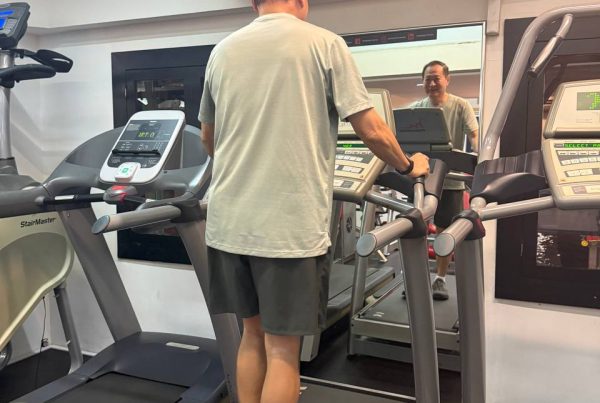
- 150–300 minutes of moderate-intensity aerobic activity per week (e.g., brisk walking, cycling, swimming)
- 2 or more days of muscle- and bone-strengthening activities (e.g., lifting weights, resistance training)
Now, let’s break down the many benefits of moving your body regularly.
1. Supports Mental Health
Exercise has an almost instant effect on your mood. That’s because your body releases endorphins during and after workouts — chemicals that help you feel happier and less stressed.
Long-term, regular physical activity has been shown to reduce symptoms of anxiety and depression, improving emotional well-being.
2. Aids in Weight Management
Physical activity helps burn calories and speeds up your metabolism. This makes it easier to maintain a healthy weight — and reduces the risk of weight-related conditions like:
- Type 2 diabetes
- High blood pressure
- Heart disease
3. Strengthens Bones and Muscles
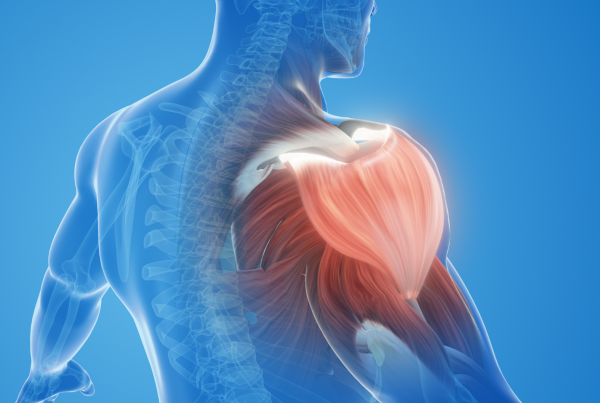
Our bone density and muscle mass peak in our early 30s and slowly decline with age. But strength training and weight-bearing exercises help slow this process.
- Resistance training builds muscle and improves posture and balance.
- Weight-bearing activities like walking, stair-climbing, and running increase bone density — helping prevent osteoporosis.
4. Prevents Falls in Older Adults
Older adults are more likely to experience dangerous falls due to weaker bones or poor balance.
A mix of aerobic, strength, and balance exercises (like Tai Chi or yoga) helps reduce fall risk and injury — which can make a huge difference in maintaining independence.
5. Reduces Risk of Chronic Diseases
Type 2 Diabetes
When you exercise, your muscles use glucose for energy, helping to stabilize your blood sugar levels. Physical activity also makes your body more sensitive to insulin, which helps prevent or manage diabetes.
Heart Disease
Regular cardio strengthens the heart, improves blood flow, lowers cholesterol, and helps maintain healthy blood pressure — all of which reduce your risk of heart attacks and strokes.
6. Boosts Brain Function
Studies show that regular physical activity improves cognitive function, focus, and memory. It may also lower the risk of dementia and Alzheimer’s disease, especially as you age.
So, What’s the Takeaway?
Exercise isn’t just about how you look — it’s about how you live.
By moving more, you’re not just adding years to your life. You’re adding life to your years.
Start Today
You don’t need to run a marathon or lift heavy weights to see results. Start with small steps — a daily walk, a weekend swim, or a short strength workout twice a week. Mix it up with:
- Cardio (walking, cycling, swimming)
- Strength training (weights, resistance bands)
- Flexibility (yoga, stretching)
- Balance exercises (Tai Chi, single-leg stands)
And always speak to your doctor before starting a new fitness plan — especially if you have pre-existing health conditions.
Your future self will thank you. Start today — move more, live better.